
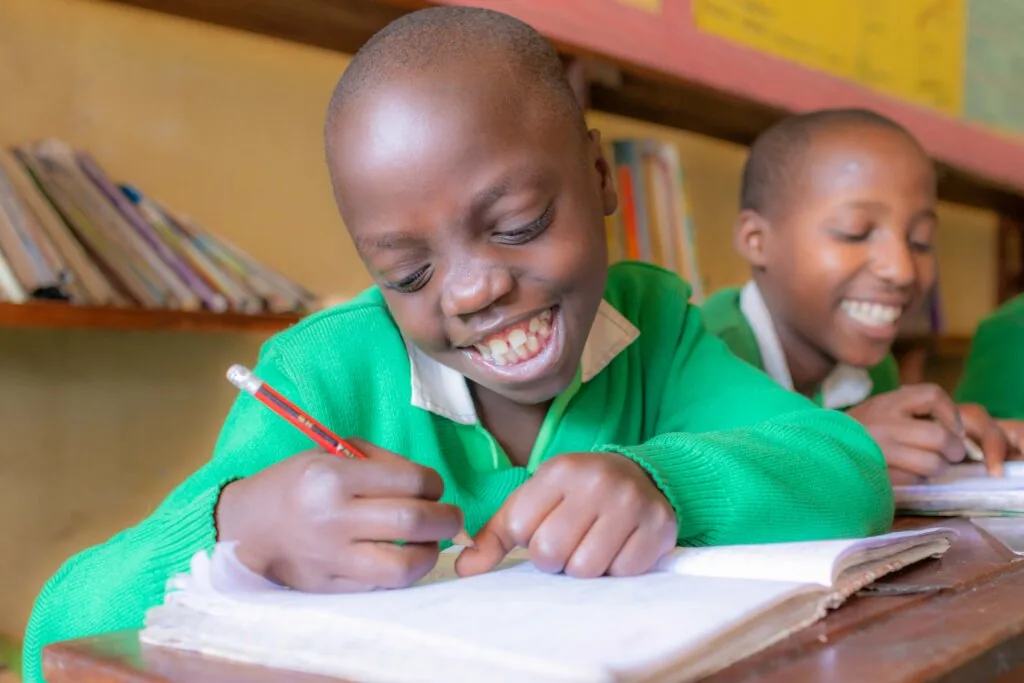
Learning is shaped by everyday conditions
School supplies, a supportive home environment and a predictable learning routine can make education more accessible. When a learner lacks basic materials, ordinary classroom tasks may become difficult. Practical support can help reduce one barrier, but educational progress depends on sustained teaching, family engagement and accessible schools.
What responsible education support looks like
A well-designed initiative starts by listening to schools, caregivers and learners. Partners can determine which materials are appropriate, how they will be distributed and whether there are safeguarding or accessibility requirements. A distribution record can show that items reached a school; it cannot, by itself, demonstrate an improvement in learning outcomes.
Connecting materials to longer-term skills
Digital literacy, vocational training and mentoring may offer useful pathways for older learners and young adults. These opportunities are most effective when they respond to locally identified needs and have realistic links to further learning or work.
Dadaire Charity Organization includes education and skills development among its registered charitable objectives. Explore the education cause or discuss a practical partnership.
Explore the wider picture
Our eight causes connect practical support with longer-term community opportunity.
Explore our causes